
Chapter 7 Bankruptcy
A Real Fresh Start
If you’re buried under credit card debt, medical bills, personal loans, or old collection accounts, Chapter 7 bankruptcy might be the fastest path out. It’s often called “liquidation bankruptcy,” but for most of my clients, it’s better described as a clean slate — most qualifying unsecured debt is discharged, meaning you’re no longer legally required to pay it.
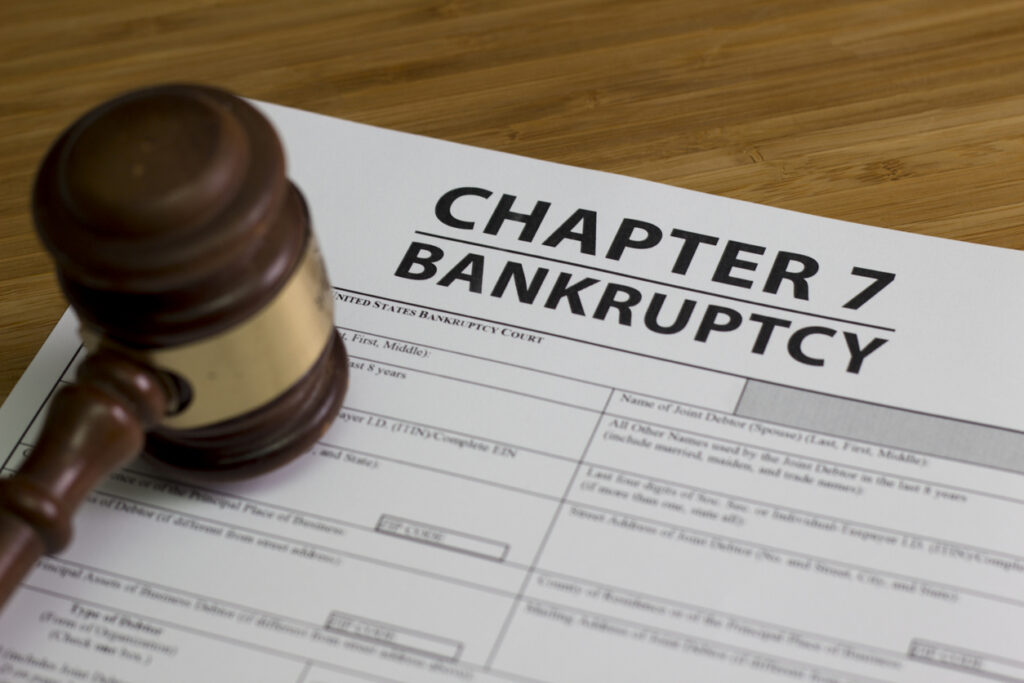
How Chapter 7 Bankruptcy Works
Chapter 7 typically moves fast — many cases are resolved in a matter of months, not years. Once you file, an automatic stay goes into effect immediately. That means creditors have to stop collection calls, garnishments, and lawsuits while your case is pending. For a lot of people, that alone feels like the first deep breath they’ve taken in a long time.
From there, we review your income, assets, and debts to confirm you qualify (this is known as the “means test”), identify which property is protected under Oregon’s exemption laws, and walk through the discharge process together.
Our Promise To You
We only practice bankruptcy law, so you’re not getting split attention.
You’re getting focused advice, an honest read on your options, and a plan that fits your actual situation.
What Chapter 7 Can Do
- Eliminate qualifying credit card debt and personal loans
- Discharge medical bills and other unsecured debt
- Stop collection calls and lawsuits
- Stop wage garnishment
- In some cases, address certain tax debt
- Give you a fresh start
Is Chapter 7 Right for You?
Chapter 7 isn’t automatic — it depends on your income and what you own. Some people who don’t qualify for Chapter 7 are better served by Chapter 13 instead, which is why every case starts with an honest conversation, not a one-size-fits-all pitch.
If collection calls, garnishment, or drowning debt are wearing you down, let’s talk about whether Chapter 7 can get you to a fresh start. Call 503-894-4891 for a free consultation.